发布时间为 2023 年 3 月 2 日星期四
作者:宫下麻子。
我在日本长大,在那里我从小就被教导要将食物视为药物。 我的祖母今年 92 岁,她也将自己的长寿归功于吃对了食物。
日本是世界上一些寿命最长的人的故乡:现在有90,526 名百岁老人,即 100 岁及以上的人。 根据厚生劳动省 2022 年的一份报告,这是二十年前的五倍多。
日本偏远的小岛冲绳岛被选为世界上百岁老人最集中的地方。
作为一名遵循传统日本饮食的营养师,这里有五种我和我的家人每天吃的食物,以保持健康和长寿:
1. 日本红薯。
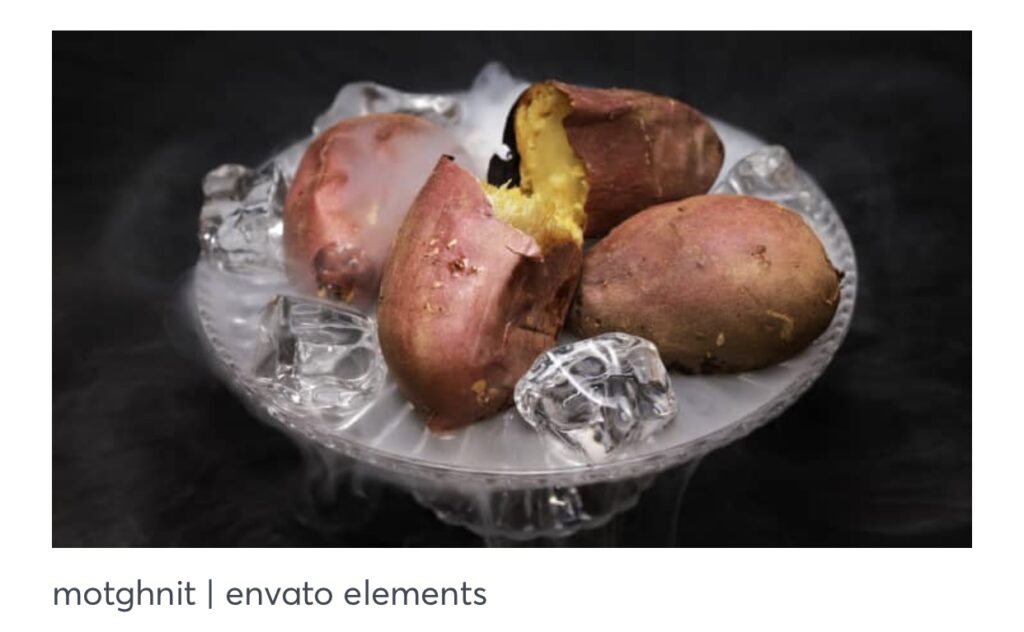
这些紫甘薯(日语称为“imo”)来自冲绳,通常作为零食或甜点食用。
它们富含健康的碳水化合物和花青素,这是一组存在于红色和紫色蔬菜中的抗氧化剂,具有抗衰老特性。
研究还表明,它们可以帮助改善血糖水平并降低患心血管疾病的风险。
2.味噌汤(酱汤)。

日本人的饮食中包含各种含有发酵食品的菜肴,味噌汤是其中一种很受欢迎的。 味噌是由发酵的大豆和谷物制成的糊状物(黄酱)。
发酵食品中的益生菌、活细菌或酵母可以帮助平衡我们的肠道健康并增强免疫系统。
一项研究发现,与很少食用这些食物的人相比,食用最多发酵大豆(如味噌、豆腐和豆豉)的男性和女性因各种原因早逝的几率要低 10%。
3.白萝卜。
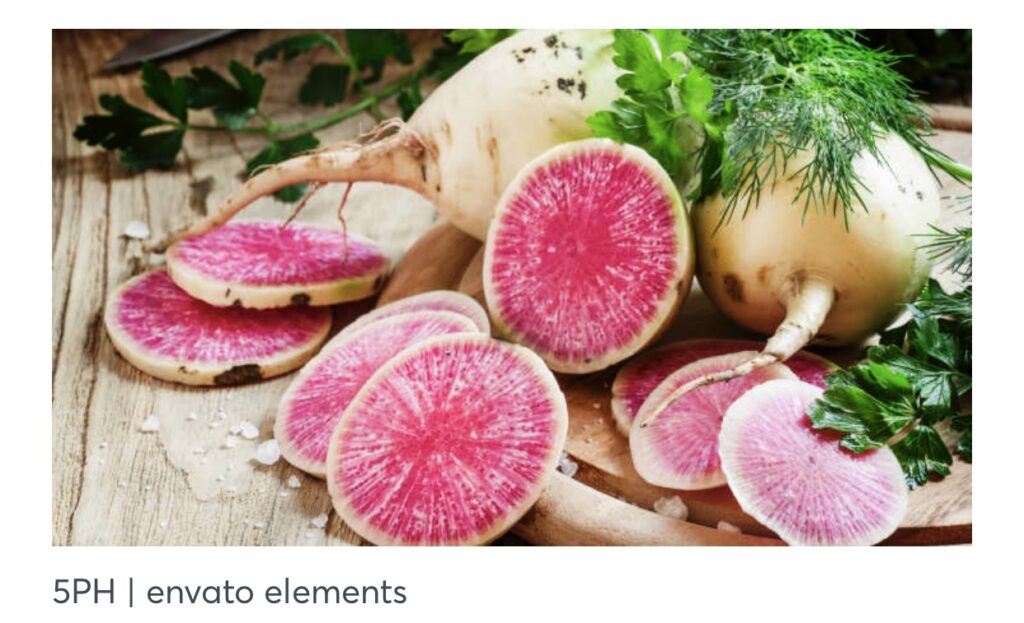
根茎类蔬菜在日本烹饪中很受欢迎,并提供许多独特的健康益处。
众所周知,萝卜有助于预防感冒和增强免疫系统。 一个萝卜含有每日推荐摄入量的 124% 的维生素 C。
其他健康的根茎类蔬菜(在美国杂货店可能更容易找到)包括胡萝卜、甜菜、防风草和萝卜。
4.海带。
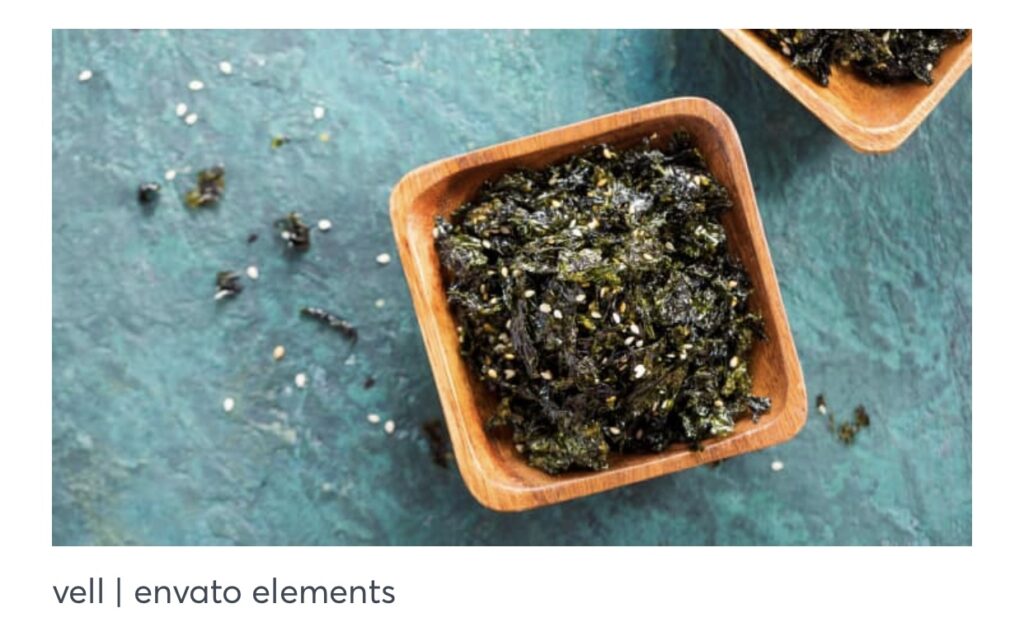
海藻富含铁、钙、叶酸和镁等重要矿物质。
每天吃它有助于在我的饮食中添加纤维。 摄入足够的纤维与降低患心脏病、中风、高血压和 2 型糖尿病的风险有关。
海藻还含有岩藻黄质和岩藻依聚糖等抗氧化剂,它们都具有抗炎、抗衰老和抗癌的特性。
5.鱼。
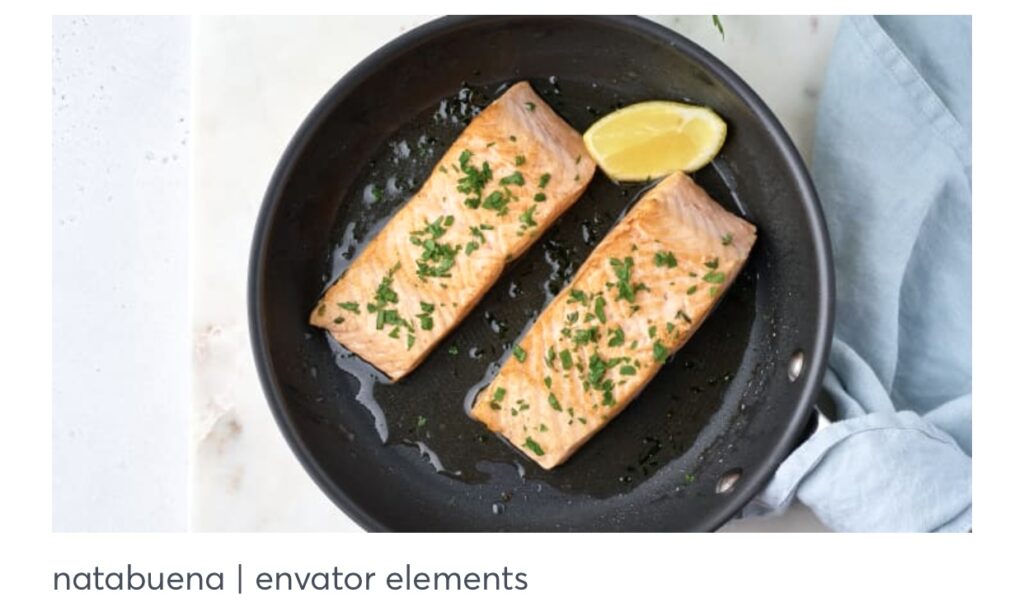
我总是在日常饮食中加入一些蛋白质,尤其是鲑鱼和金枪鱼等富含脂肪的鱼类。 鱼中的 omega-3 脂肪有助于降低血压、降低甘油三酯和缓解炎症。
在日本,我们经常在饭前说“itadakimasu”,意思是“我谦卑地接受”,以表达我们对动物和农民的感激之情。我相信这种正念饮食的做法有助于我们的健康和生活质量。
Asako Miyashita,MS,RDN,CDN,是一名注册营养师,在长寿研究方面拥有 20 年的经验。 他在日本东京出生长大,在工作中运用西方和东方的视角来帮助改善客户的健康。 他曾在包括美国日本医学会在内的多所大学和组织担任客座讲师。 在 Instagram 上关注他@miasako。
顾震帝整理,2023年,3月,3日。
http://images.google.bf/url?q=https://t.me/prodat_onkolekarstva/5
[url=https://t.me/ruanabol_org]стероиды анаболики[/url] – Pharmacom labs, Pharmacom labs
[url=https://t.me/ruanabol_org]Pharmacom[/url] – Спортивная фармакология, Руанабол
Reinigungsfirma
[url=https://t.me/ruanabol_org/]Стероиды[/url] – Спортивная фармакология, Ruanabol
hello!,I like your writing very so much! share we be in contact extra approximately your article on AOL?
I require an expert in this area to solve my problem.
Maybe that is you! Taking a look forward to peer you.
Siham Haleem, a private tour guide for 15 years, says that Doha now has many world-class, modern museums — the National Museum of Qatar being a firm personal favorite. And yet he says that visiting Sheikh Faisal’s museum should still be on everybody’s to-do list.
[url=https://sinpleswap-io.org]simpleswap[/url]
“For those eager to learn about Qatar’s — and the region’s — heritage and beyond, the museum is an ideal destination,” he says. “Personally, I’m captivated by the car collection, the fossils, and especially the Syrian house, painstakingly transported and reassembled piece by piece.”
Stephanie Y. Martinez, a Mexican-American student mobility manager at Texas A&M University in Qatar likes the museum so much she includes it on all of her itineraries for students visiting from the main campus in Texas.
“The guided tours are very detailed, and the collections found at the museum have great variety and so many stories to unfold,” she says. “Truly, the museum has something to pique everyone’s interest. My favorites are the cars and the furniture exhibits showcasing wood and mother-of-pearl details. Definitely one of my favorite museums in Qatar, every time I visit I learn something new.”
Raynor Abreu, from India, also had praise for the unusual and immense collection.
“Each item has its own story, making the visit even more interesting,” he says. “It’s also impressive to know that Sheikh Faisal started collecting these unique pieces when he was very young. Knowing this makes the museum even more special, as it reflects his lifelong passion for history and culture.”
It takes time and dedication to truly examine the many collections within the museum — especially since most of them are simply on display without explanation.
Eclectic it may be, but it’s hard to fault the determination of Sheikh Faisal, who has brought together items that tell the story of Qatar and the Middle East.
Sarah Bayley, from the UK, says she visited the museum recently with her family, including 16 and 19-year-old teenagers, and was won over by its sheer eccentricity.
“Amazing. Loved it. It is a crazy place.”
It’s a pity you don’t have a donate button! I’d certainly donate to this fantastic blog!
I guess for now i’ll settle for book-marking and adding your RSS feed to my Google account.
I look forward to brand new updates and will talk about this site with my
Facebook group. Chat soon!
Saved as a favorite, I like your website!
Gebäudereinigung Tirol
‘For the public to enjoy’
[url=https://kepir-app.com]keplr wallet[/url]
The museum’s history starts in 1998, when Sheikh Faisal Bin Qassim Al Thani opened a building to the public on his farm some 20 kilometers (12 miles) north of Qatari capital Doha.
A distant relative of Qatar’s ruling family, founder and chairman of Al Faisal Holdings (one of Qatar’s biggest conglomerates), and a billionaire whose business acumen had him recognized as one of the most influential Arab businessmen in the world, Sheikh Faisal had already amassed a substantial private collection of historically important regional artifacts, plus a few quirky pieces of interest, allowing visitors an intimate look into Qatari life and history.
In an interview with Qatari channel Alrayyan TV in 2018, Sheikh Faisal said that the museum started as a hobby.
“I used to collect items whenever I got the chance,” he said. “As my business grew, so did my collections, and soon I was able to collect more and more items until I decided to put them in the museum for the public to enjoy.”
His private cabinet of curiosities has since evolved into a 130-acre complex. Through the fort-like entrance gate lies an oryx reserve, an impressive riding school and stables, a duck pond and a mosque built with a quirky leaning minaret. There’s now even a five-star Marriott hotel, two cafes and the Zoufa restaurant serving modern Lebanese cuisine.
Of course, there’s also the super-sized museum, with a recently-opened car collection housing everything from vintage Rolls-Royces to wartime Jeeps and colorful Buicks. Outside you’ll find peacocks roaming the grounds, and signs warning drivers to be aware of horses and ostriches.
Visitors to the FBQ museum are free to explore the grounds and can even enter the stables to pat the horses.
Hi, just wanted to say, I loved this blog post. It was practical.
Keep on posting!
A long time in the making
Curiosity landed in Gale Crater on August 6, 2012. More than 12 years later, the rover has driven over 21 miles (34 kilometers) to ascend Mount Sharp, which is within the crater. The feature’s many layers preserve millions of years of geological history on Mars, showing how it shifted from a wet to a dry environment.
[url=https://cdridge-sellernetwork.com]celer bridge[/url]
Perhaps one of the most valuable samples Curiosity has gathered on its mission to understand whether Mars was ever habitable was collected in May 2013.
The rover drilled the Cumberland sample from an area within a crater called Yellowknife Bay, which resembled an ancient lake bed. The rocks from Yellowknife Bay so intrigued Curiosity’s science team that it had the rover drive in the opposite direction to collect samples from the area before heading to Mount Sharp.
Since collecting the Cumberland sample, Curiosity has used SAM to study it in a variety of ways, revealing that Yellowknife Bay was once the site of an ancient lake where clay minerals formed in water. The mudstone created an environment that could concentrate and preserve organic molecules and trapped them inside the fine grains of the sedimentary rock.
Freissinet helped lead a research team in 2015 that was able to identify organic molecules within the Cumberland sample.
The instrument detected an abundance of sulfur, which can be used to preserve organic molecules; nitrates, which are essential for plant and animal health on Earth; and methane composed of a type of carbon associated with biological processes on Earth.
“There is evidence that liquid water existed in Gale Crater for millions of years and probably much longer, which means there was enough time for life-forming chemistry to happen in these crater-lake environments on Mars,” said study coauthor Daniel Glavin, senior scientist for sample return at NASA’s Goddard Space Flight Center in Greenbelt, Maryland, in a statement.
http://www.perimeterdefense.net/__media__/js/netsoltrademark.php?d=https://t.me/Slot_7k/2920
Reinigungsfirma
Everyone is talking about Greenland. Here’s what it’s like to visit
[url=https://cow-swop.com]cow swap[/url]
A few months ago, Greenland was quietly getting on with winter, as the territory slid deeper into the darkness that envelops the world’s northerly reaches at this time of year.
But President Donald Trump’s musings about America taking over this island of 56,000 largely Inuit people, halfway between New York and Moscow, has seen Greenland shaken from its frozen Arctic anonymity.
Denmark, for whom Greenland is an autonomous crown dependency, has protested it’s not for sale. Officials in Greenland, meanwhile, have sought to assert the territory’s right to independence.
The conversation continues to intensify. A contentious March 28 visit to a US military installation by Usha Vance, the second lady, accompanied by her husband, Vice President JD Vance, was the latest in a series of events to focus attention on Trump’s ambitions for Greenland.
The visit was originally planned as a cultural exchange, but was shortened following complaints from Greenland Prime Minister Mute B. Egede.
Had the Vances prolonged their scheduled brief visit, they would’ve discovered a ruggedly pristine wildernesses steeped in rich Indigenous culture.
An inhospitable icecap several miles deep covers 80% of Greenland, forcing the Inuit to dwell along the shorelines in brightly painted communities. Here, they spend brutally cold winters hunting seals on ice under the northern lights in near perpetual darkness. Although these days, they can also rely on community stores.
The problem for travelers over the years has been getting to Greenland via time-consuming indirect flights. That’s changing. Late in 2024, the capital Nuuk opened a long-delayed international airport. From June 2025, United Airlines will be operating a twice-weekly direct service from Newark to Nuuk.
Two further international airports are due to open by 2026 — Qaqortoq in South Greenland and more significantly in Ilulissat, the island’s only real tourism hotspot.
Gebäudereinigung Tirol
http://pesos.upperscore.org/__media__/js/netsoltrademark.php?d=https://t.me/s/Slot_7k/3913
Curiosity has maintained pristine pieces of the Cumberland sample in a “doggy bag” so that the team could have the rover revisit it later, even miles away from the site where it was collected. The team developed and tested innovative methods in its lab on Earth before sending messages to the rover to try experiments on the sample.
[url=https://changel1y.com]changelly[/url]
In a quest to see whether amino acids, the building blocks of proteins, existed in the sample, the team instructed the rover to heat up the sample twice within SAM’s oven. When it measured the mass of the molecules released during heating, there weren’t any amino acids, but they found something entirely unexpected.
An intriguing detection
The team was surprised to detect small amounts of decane, undecane and dodecane, so it had to conduct a reverse experiment on Earth to determine whether these organic compounds were the remnants of the fatty acids undecanoic acid, dodecanoic acid and tridecanoic acid, respectively.
The scientists mixed undecanoic acid into a clay similar to what exists on Mars and heated it up in a way that mimicked conditions within SAM’s oven. The undecanoic acid released decane, just like what Curiosity detected.
Each fatty acid remnant detected by Curiosity was made with a long chain of 11 to 13 carbon atoms. Previous molecules detected on Mars were smaller, meaning their atomic weight was less than the molecules found in the new study, and simpler.
“It’s notable that non-biological processes typically make shorter fatty acids, with less than 12 carbons,” said study coauthor Dr. Amy Williams, associate professor of geology at the University of Florida and assistant director of the Astraeus Space Institute, in an email. “Larger and more complex molecules are likely what are required for an origin of life, if it ever occurred on Mars.”
http://2124u.com/__media__/js/netsoltrademark.php?d=https://t.me/s/Slot_7k/3426